Food stamps, officially known as the Supplemental Nutrition Assistance Program (SNAP), help people with low incomes buy food. It’s a really important program, and it’s run by a bunch of different groups working together. You might be wondering, “Who actually handles the food stamps?” Well, that’s what we’re going to explore in this essay, breaking down the different players involved and how they make sure food assistance gets to those who need it.
The Federal Government’s Role
The federal government, specifically the United States Department of Agriculture (USDA), is the big boss when it comes to SNAP. They set the rules and provide the money for the program. Think of them like the coach of the team. They create the guidelines and provide the resources, but they don’t actually go on the field to play the game themselves.
The USDA’s Food and Nutrition Service (FNS) is the agency within the USDA that manages SNAP. They do a lot of important stuff, like:
- Developing the rules and regulations for SNAP.
- Providing funding to state agencies.
- Overseeing how states run their SNAP programs.
- Making sure states follow the federal guidelines.
The FNS also works to prevent fraud and abuse within the program. They want to ensure that the money goes to the people who really need it. They do this by investigating any suspicious activity and working with states to improve program integrity. They constantly monitor the system to make sure it’s working as smoothly as possible. This can involve random checks and audits of state programs.
Finally, the USDA also handles things like issuing waivers during times of emergency, like natural disasters. This helps ensure that people can still access food assistance when they need it most. They stay on top of things to make sure the program is adaptable and can handle unexpected situations.
State Agencies: The On-the-Ground Operators
While the federal government sets the rules, it’s the state governments that actually run SNAP. Each state has its own agency (usually a Department of Human Services or a similar organization) that’s responsible for administering the program within its borders. They are the ones who are actually providing the benefits to people.
State agencies are the ones who handle the application process. They receive applications, verify information, and determine whether someone is eligible. This can be a pretty lengthy process, as they need to make sure people meet the income and resource requirements. They are the gatekeepers, determining who gets approved.
Once someone is approved, the state agency handles issuing the benefits. Most states use Electronic Benefit Transfer (EBT) cards, which are like debit cards that SNAP recipients can use to buy food. Think of them as the bank that distributes the money to the clients. These cards are used at grocery stores and other approved retailers.
The role of a state agency also involves:
- Providing customer service to SNAP recipients.
- Working with local food pantries and other community organizations.
- Keeping up-to-date records and reporting to the federal government.
Local Offices: Where People Apply
Within each state, there are local SNAP offices. These are the places where people go to apply for benefits, get their questions answered, and manage their accounts. They are essentially the front lines of the program. These offices are the face of SNAP for many people. They provide direct services.
These offices are staffed by caseworkers and other personnel who are trained to help applicants. They guide people through the application process, which can be a bit complicated. They also help people understand the program rules and regulations.
Local offices are also responsible for ongoing case management. This involves things like: updating information, re-determining eligibility, and helping clients with any problems they might have. Caseworkers are the primary point of contact for SNAP recipients.
The typical steps involved in applying for SNAP at a local office often look like this:
| Step | Description |
|---|---|
| 1 | Fill out an application (online, in-person, or by mail). |
| 2 | Gather required documents (proof of income, identification, etc.). |
| 3 | Attend an interview (in-person or by phone). |
| 4 | Await a decision and be notified of eligibility. |
| 5 | Receive benefits (EBT card). |
Retailers: Where the Benefits are Used
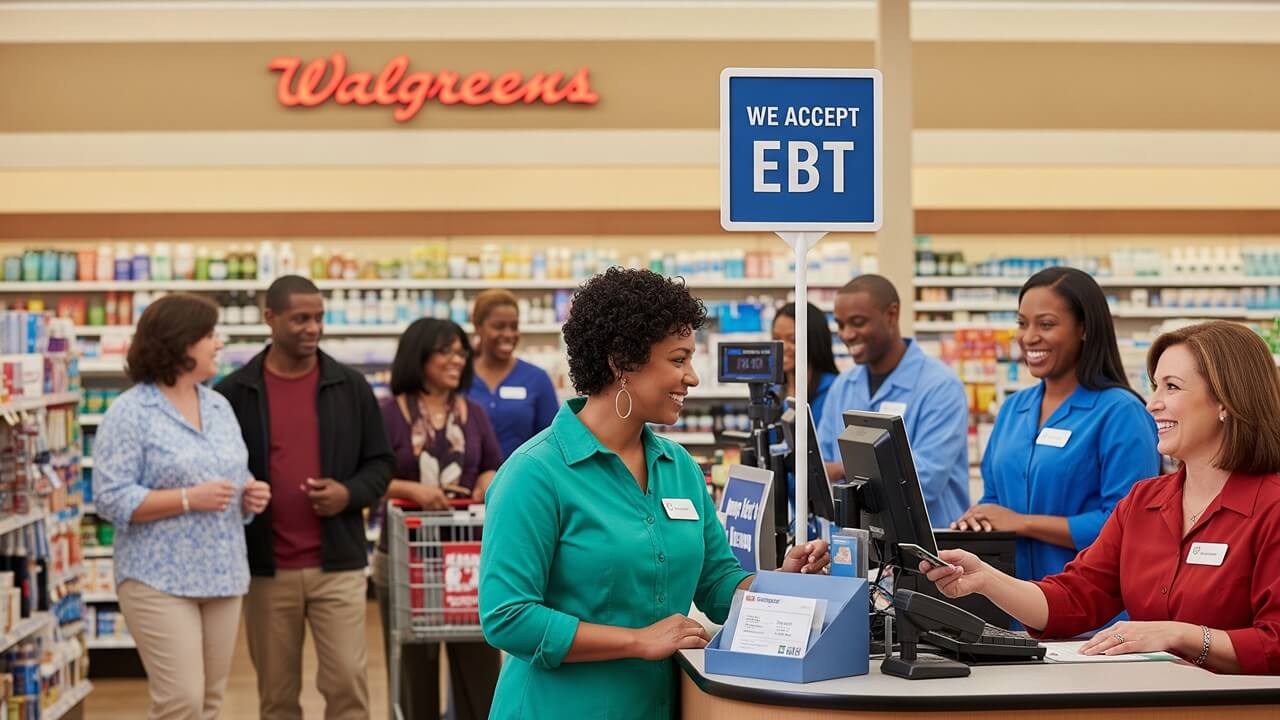
Grocery stores, farmers’ markets, and other retailers that sell food are also important players in the SNAP system. They are the places where SNAP recipients actually use their benefits to buy food. These retailers must be approved by the USDA to accept SNAP benefits, and they have to follow certain rules to do so.
Retailers are responsible for making sure they can accept EBT cards and process SNAP transactions correctly. They have to have the proper equipment and training for their employees. They are the ones who help people buy the food they need.
The USDA also works with retailers to prevent fraud and abuse. If a retailer is caught breaking the rules, they can be fined or even lose their ability to participate in the program. This helps ensure that the benefits are being used for their intended purpose.
Examples of retailers that can participate in SNAP include:
- Grocery stores
- Supermarkets
- Convenience stores
- Farmers’ markets
- Some online retailers
Technology’s Role: Making Things Work
Technology plays a huge part in making SNAP run smoothly. From the EBT cards to the online application portals, technology helps manage the benefits and makes it easier for people to access them. Without it, the program would be much more difficult to operate.
EBT cards are a prime example of technology in action. These cards allow recipients to easily access their benefits at approved retailers. The technology makes it very convenient.
Many states also have online portals where people can apply for SNAP and manage their accounts. This makes it easier for people to access the program and get the help they need. This is where you start your application.
Here are some ways technology is used in SNAP:
- EBT card systems for dispensing benefits.
- Online application portals.
- Data management systems for tracking applications.
- Fraud detection systems for reducing misuse.
Community Partners: Filling the Gaps
Many community organizations also help with SNAP. These groups don’t directly distribute food stamps, but they play an important role in connecting people with the program and helping them navigate the process. They are a great resource for people who are struggling.
Food banks and food pantries often help people apply for SNAP. They can also provide temporary food assistance to people who are waiting to be approved for benefits. They assist with the application.
Other organizations may provide education and outreach about SNAP. They can help people understand the program and how to access it. These are often community advocates for SNAP.
Other examples of community partners in SNAP include:
- Food banks and pantries
- Social service agencies
- Non-profit organizations
- Religious organizations
The Role of the SNAP Recipient: Their Responsibility
Finally, we can’t forget about the most important part – the people who actually receive SNAP benefits. SNAP recipients play a critical role in the system. They have responsibilities too.
SNAP recipients need to use their benefits responsibly and follow the program rules. This means using the EBT card only to buy eligible food items, and reporting any changes in income or household size. They are the most important piece of this system.
They also play a part in preventing fraud. They should report any misuse of their benefits or any suspected fraud. They have an obligation to report anything suspicious.
It’s also important for SNAP recipients to be aware of their rights and responsibilities under the program. They have a right to receive benefits if they meet the eligibility requirements, and they have a responsibility to comply with the rules.
Conclusion
So, who distributes food stamps? It’s a team effort! The federal government sets the rules and provides the money, the state agencies run the programs, local offices handle applications, retailers accept the benefits, technology helps it run, and community partners offer support. These people working together help make sure food assistance reaches those who need it. This whole system helps people get the food they need to stay healthy and support their families.