Ever heard of SNAP and EBT? They’re both really important programs that help people buy food, but they’re often used interchangeably, which can be confusing. So, what exactly *is* SNAP versus EBT? This essay will break down the differences and similarities between these programs, making sure you understand what each one is about and how they work. Think of it like learning the difference between a car and its engine: they’re related, but serve distinct purposes!
What is SNAP?
So, what exactly *is* SNAP? SNAP stands for the Supplemental Nutrition Assistance Program, and it’s the federal government’s main program to help people with low incomes buy food. It’s like a giant food coupon program! SNAP is authorized by the Food and Nutrition Act of 2008, and it’s run by the U.S. Department of Agriculture (USDA).
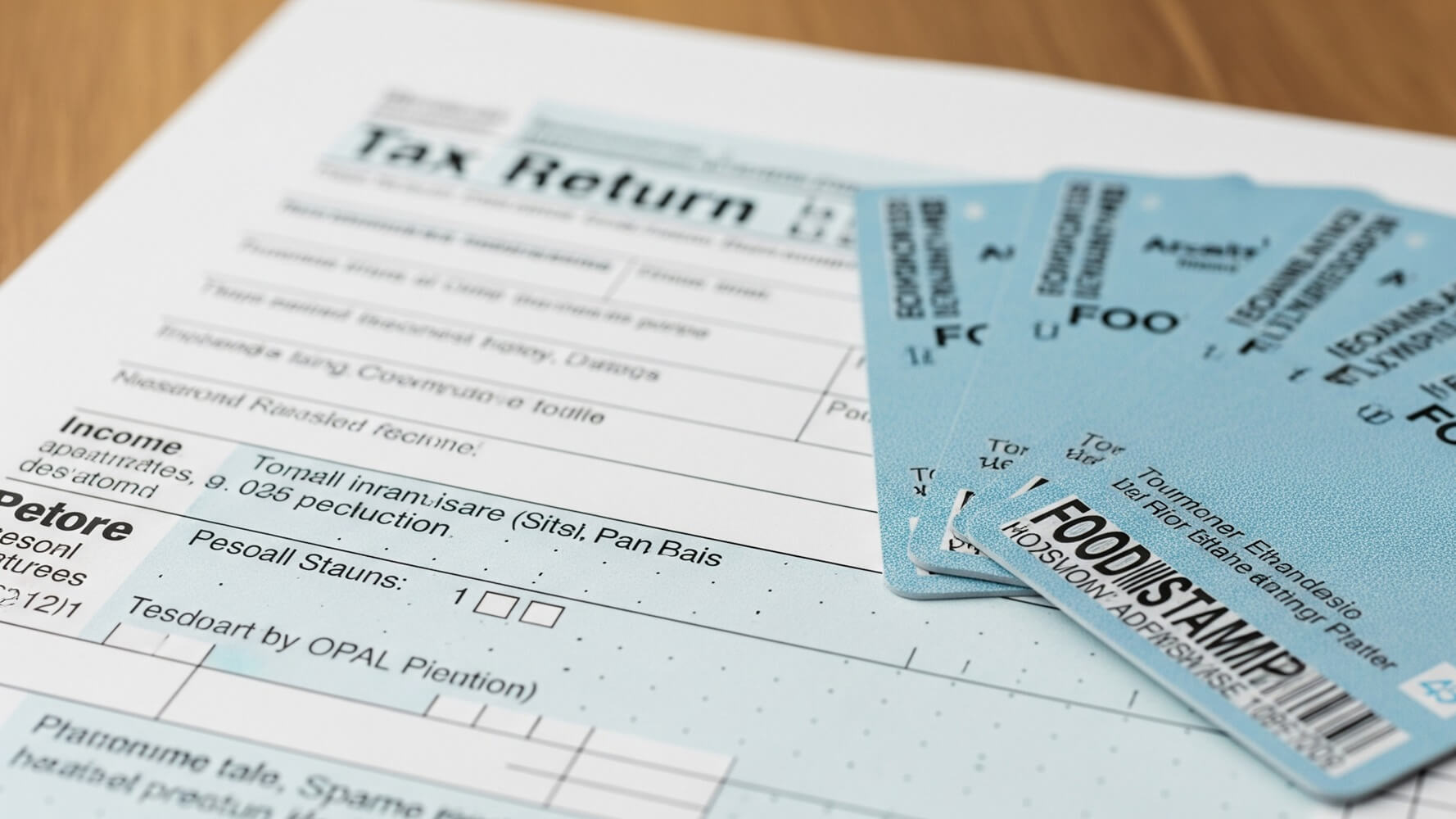
This means SNAP is a big deal, helping millions of people. It helps people who need a little extra assistance to make sure they have access to nutritious meals. Think of it as a helping hand for families, individuals, and the elderly who might be struggling to afford groceries. It can provide assistance to help people make ends meet.
The goal of SNAP is to reduce hunger and improve the health of low-income families and individuals by providing them with resources to purchase food. It’s a crucial program, ensuring people can eat a balanced diet. SNAP is an important part of the social safety net in the United States.
SNAP is funded by the federal government, and it has rules and requirements to make sure it is fair and effective. These rules can vary slightly from state to state, so it’s important to check the specific requirements for your area. It’s like having different rules for different sports teams, but everyone still follows the basic rules of the game.
EBT: The Delivery System
Now, what about EBT? EBT stands for Electronic Benefit Transfer. It’s how SNAP benefits (and sometimes other benefits) are distributed to people. Think of it as the “how” of SNAP. It doesn’t provide the *food*, but it’s the system that makes it possible to *buy* food. EBT is like the engine in our car analogy – it powers the food-buying process.
EBT cards work like debit cards. Recipients of SNAP benefits receive an EBT card that they can use to purchase eligible food items at authorized stores. The money comes from their SNAP benefits, which are loaded onto the card each month. It’s pretty straightforward.
- EBT cards are accepted at most grocery stores, supermarkets, and even some farmers’ markets.
- People can’t use the card for things like alcohol, tobacco, or non-food items.
- The system makes it easy to track your benefits and spending.
EBT cards replaced the old food stamp system, which used paper coupons. This transition made the system easier to manage and more convenient for participants. The process is now much more efficient and private.
Who Qualifies for SNAP?
Who exactly gets SNAP benefits? That’s a great question! Eligibility for SNAP depends on a variety of factors, primarily income and resources. Basically, you have to meet certain financial requirements to qualify. Think of it like having to pass a test to join a club – there are specific criteria.
Generally, people who have low incomes, meet certain resource limits, and meet specific requirements can apply for SNAP. These requirements are defined by the USDA and enforced by state agencies. The requirements can vary from state to state, but the core rules are the same. These requirements are meant to make sure the program helps those most in need.
- Income limits are often based on the federal poverty level.
- Asset limits (like how much money you have in the bank) may also apply.
- There may be specific rules for families with children, the elderly, or people with disabilities.
Applying for SNAP is usually done through a local or state social services agency. It’s like applying for a school club – you fill out a form and provide some information. The application process is designed to be helpful and provide support to applicants.
What Can You Buy with SNAP?
So, what can you actually buy with your SNAP benefits? The rules are pretty clear: SNAP is for food, and only food! You can’t use it to buy things like gas, clothes, or electronics. This helps ensure that the program’s focus stays on providing nutrition.
Here’s a general idea of what is eligible for purchase with SNAP:
| Eligible Items | Ineligible Items |
|---|---|
| Fruits and vegetables | Alcohol |
| Meat, poultry, and fish | Tobacco |
| Dairy products | Prepared foods (unless authorized) |
| Breads and cereals | Non-food items (like pet food) |
This list isn’t exhaustive, but you get the idea. The goal is to help people purchase a balanced and nutritious diet. SNAP is designed to support healthy eating habits.
Where Can You Use SNAP?
Where can you actually *use* your EBT card? Luckily, the places that accept EBT are pretty widespread! It’s designed to be convenient for the recipients. You can use your EBT card at most grocery stores, supermarkets, and even some farmers’ markets and online retailers. This makes it easy to access the foods you need.
The USDA approves stores and other retailers to accept SNAP benefits. Look for signs in the stores that say “EBT accepted”. If you see one, you know you can use your card there. It’s like looking for a store that takes a certain type of payment.
- Large supermarket chains like Kroger, Walmart, and Target accept EBT.
- Smaller local grocery stores and convenience stores often accept EBT.
- Many farmers’ markets let you use EBT to buy fresh produce.
- Some online grocery services accept EBT.
The USDA regularly updates the list of approved retailers, so there are options everywhere to make sure SNAP users can purchase food easily.
How Does SNAP Help?
How does SNAP actually make a difference in people’s lives? It’s a powerful tool for fighting food insecurity and supporting families. It can literally make the difference between an empty fridge and a full one.
The benefits of SNAP are pretty clear:
- SNAP helps families afford enough food to eat.
- It improves the nutritional intake of participants.
- It can reduce stress and improve mental health.
- It provides economic benefits by stimulating the food economy.
Beyond individual benefits, SNAP also strengthens communities. It helps families stay healthy and contributes to economic stability. SNAP reduces the number of children and adults who experience food insecurity.
Conclusion
So, in conclusion: SNAP is the federal program providing food assistance to those in need, and EBT is the system used to distribute those benefits. They work together to make sure people can buy food! Both programs are incredibly important. Hopefully, this explanation helps you understand what SNAP and EBT are all about, and how they play a vital role in supporting families and communities. They help people eat, which is a basic necessity for everyone!