Food stamps, officially known as the Supplemental Nutrition Assistance Program (SNAP), are a big help for many families and individuals. They provide money to buy groceries and help put food on the table. But, it’s important to know that not everything you might want to buy at the grocery store is covered by food stamps. This essay will explore what types of items SNAP benefits *don’t* pay for, giving you a clearer picture of how the program works.
Non-Food Items
So, the first big category of things that food stamps *don’t* cover is anything that isn’t food! This might seem obvious, but it includes a wide range of products. Think about all the aisles in a grocery store that aren’t dedicated to food. These things, in general, are off-limits when using your SNAP benefits.
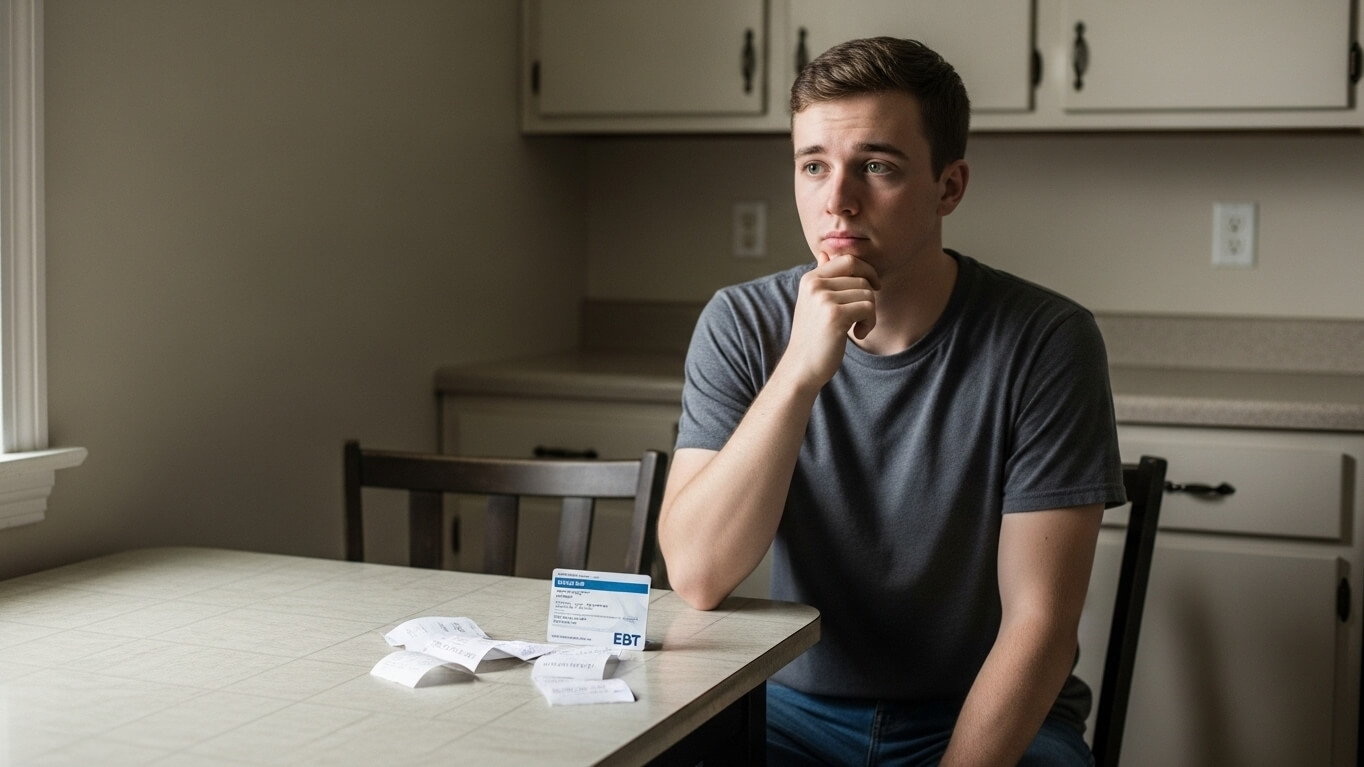
This means no paper towels, even though you need them to clean up spills. No toilet paper, even though it’s a household essential. No soap or shampoo to keep you clean. It also means no diapers for babies. Essentially, anything that is not considered something you consume, or eat, is not covered. This can be a tough adjustment for those new to the program. It’s something to keep in mind while planning what you can afford to buy at the store.
Here are some examples of non-food items that are not covered:
- Household Supplies: Cleaning products, laundry detergent, and garbage bags.
- Personal Care Items: Toothpaste, soap, shampoo, and razors.
- Pet Supplies: Pet food, toys, and litter.
- Other Essentials: Diapers, toilet paper, and feminine hygiene products.
It’s important to budget for these things separately. These items can add up in cost, so knowing they aren’t included in your SNAP benefits is crucial for financial planning.
Alcoholic Beverages
Alcoholic Drinks
Another category that food stamps don’t cover is alcoholic beverages. This includes beer, wine, and liquor. This is a pretty straightforward rule: SNAP is designed to help people get nutritious food to eat, not to subsidize the purchase of alcohol. This includes any drink that has a certain percentage of alcohol in it.
This rule is in place to ensure that SNAP benefits are used for their intended purpose: to improve the nutrition and health of low-income individuals and families. Using these funds for alcohol would go against the purpose of the program. This is also a common rule across most government assistance programs that help people afford to live.
This rule is consistently enforced, so if you try to purchase alcohol with your EBT card, the transaction will be declined. Sometimes people try to use their benefits to help someone else purchase alcohol, but that is also against the rules and can have consequences. Keeping these things in mind when planning your grocery shopping trip is important.
Here’s a quick breakdown:
- Beer: Any type, from domestic to imported.
- Wine: Red, white, rosé, sparkling, etc.
- Liquor: Whiskey, vodka, rum, etc.
- Mixers: While the alcohol is not covered, the mixers used to make alcoholic drinks, such as soda or juice, can sometimes be purchased with SNAP.
Tobacco Products
Tobacco Products
Similar to alcohol, tobacco products are not covered by SNAP. This includes cigarettes, cigars, chewing tobacco, and any other form of tobacco. The goal of SNAP is to improve health and well-being by providing access to nutritious food, and using benefits on tobacco would contradict that purpose. It is for food, not things that can harm you.
Tobacco use is linked to various health problems, and the program aims to support a healthy lifestyle. Prohibiting the purchase of tobacco with SNAP benefits is an effort to encourage healthy choices and reduce healthcare costs associated with smoking. It’s all part of trying to help people live long and healthy lives. It’s worth keeping in mind the effects of smoking when planning your shopping trip.
The rules against buying tobacco are strictly enforced, and trying to purchase tobacco with your SNAP card will result in the transaction being declined. The intent is for people to use their benefits to improve their health and overall quality of life by buying food that is good for you. Using it on tobacco would prevent that.
Here is a list of items that are not covered:
| Item | Example |
|---|---|
| Cigarettes | All brands and types. |
| Cigars | Various sizes and flavors. |
| Chewing Tobacco | Loose leaf and pouches. |
| Vaping Products | E-cigarettes and e-liquids. |
Vitamins and Supplements
Vitamins and Supplements
Vitamins and supplements generally are not covered by SNAP. While many people take vitamins to improve their health, they are considered to be in the category of non-food items. The program focuses on providing access to nutritious food. It’s essential to be aware of this when planning your food purchases.
While some health food stores may carry items that seem like food, the rule of thumb is to ask the question of whether it provides the sustenance required to sustain life. This means the purchase of vitamins will be denied if attempted with SNAP benefits. You will need to buy these items separately. It helps with the budgeting process to keep this in mind.
There are some exceptions to the rule regarding vitamins. For example, items like meal replacement shakes may be approved if they have been authorized by a healthcare professional to be part of a special diet. However, most vitamins and supplements are not eligible.
Here are some common examples:
- Vitamin pills (A, B, C, D, etc.)
- Mineral supplements (calcium, iron, etc.)
- Herbal supplements
- Protein powders
- Weight loss supplements
Hot Foods and Prepared Meals
Hot Foods and Prepared Meals
Generally, SNAP benefits cannot be used to purchase hot foods and prepared meals in restaurants. This is a restriction that aims to focus benefits on providing families with the ability to cook food and eat at home. However, there are some exceptions to this rule. Food stamps usually cover the cost of ingredients to cook meals at home.
This rule has evolved over time, and some changes have been made to help certain groups of people. For example, SNAP recipients can sometimes use their benefits at certain restaurants, particularly if they are elderly, disabled, or homeless. The ability to use SNAP benefits at restaurants is subject to the rules of the state that they live in. Check with your local government to learn more about this.
For the most part, you can use your benefits to buy groceries and prepare meals at home. You can buy the ingredients, cook, and save money, instead of spending it at a restaurant. It also gives you more control over the food you are eating. It is important to plan ahead and budget accordingly.
Here are some situations in which this rule might be different:
- Restaurant Meals: Some states have programs allowing some SNAP recipients to use benefits at approved restaurants, like McDonald’s.
- Hot Food at Grocery Stores: Prepared foods sold *within* a grocery store, such as a rotisserie chicken, may be eligible, depending on the rules.
- Food Trucks: These are often considered restaurants.
Pet Food
Pet Food
Unfortunately, food stamps do not cover the cost of pet food. While owning a pet can bring a lot of joy, SNAP is intended to provide nutrition to people, not animals. This is because SNAP is focused on providing food for human consumption.
Pet food is classified as a non-food item, and it’s not eligible for purchase with SNAP benefits. This means that you’ll need to budget for pet food separately from your SNAP funds. It is important to factor in the costs of pet food when planning out your monthly spending. This can be a challenge if you are on a fixed income.
It is often a surprise for those who haven’t used food stamps before to learn that pet food is not covered. But the program has a very specific purpose, which is to help feed people. Being aware of this rule can help with budgeting and making sure you have enough for both your family and your pets.
Here are some examples:
- Dry dog food
- Canned cat food
- Birdseed
- Fish food
- Hamster food
Non-Eligible Grocery Store Items
Other Ineligible Items
Even within the grocery store, there are some items that SNAP benefits don’t cover. This is less about the type of food, and more about the way it is sold or prepared. This can often be confusing, so it’s good to know what to expect.
One example is anything labeled as “non-food.” This may include products like decorations, and items made specifically for holidays. Also, anything that isn’t meant to be eaten also does not qualify. These are similar to other rules in the list, but these items are specifically grocery store products that cannot be purchased.
Remember, the goal of SNAP is to make sure that people can afford a nutritious diet. Other items, like decorations or flowers, do not fit within that goal. While they may be sold in a grocery store, you will have to pay for them with your own money.
Here’s a list of some items that are often ineligible:
| Item | Explanation |
|---|---|
| Prepared food served hot | As previously discussed, this is normally ineligible unless in an approved program. |
| Vitamins and supplements | They are usually not covered. |
| Flowers and decorations | Considered to be non-food items. |
| Non-food household supplies | Not considered food. |
Conclusion
In conclusion, while food stamps (SNAP) are a valuable resource for many, there are some limitations to what they cover. Understanding what items are *not* eligible, such as non-food items, alcohol, tobacco, vitamins, hot prepared foods, pet food, and other ineligible grocery store items, is crucial for effective budgeting and planning your grocery shopping. By being aware of these restrictions, SNAP recipients can better manage their benefits and ensure that they can purchase the food they need to maintain a healthy and well-nourished lifestyle. It helps to be prepared for what can and cannot be purchased when using your SNAP benefits.