Food stamps, officially known as the Supplemental Nutrition Assistance Program (SNAP), are a lifeline for many families, helping them afford groceries and put food on the table. They’re meant for people with limited income, and there are rules about who qualifies and how to use them. But what happens if someone tries to cheat the system by lying to get food stamps? This essay will break down the consequences of getting caught lying to get food stamps, explaining the potential penalties and the importance of following the rules.
The Immediate Consequences: Loss of Benefits and More
So, what exactly happens if someone gets caught lying on their food stamp application or misusing their benefits? The first thing that usually happens is that you’ll lose your food stamps. This means you won’t be able to use the card to buy groceries, which can be a big problem if you depend on the benefits to feed your family. Additionally, the state or local government may start an investigation to figure out what happened and how serious the lie was.
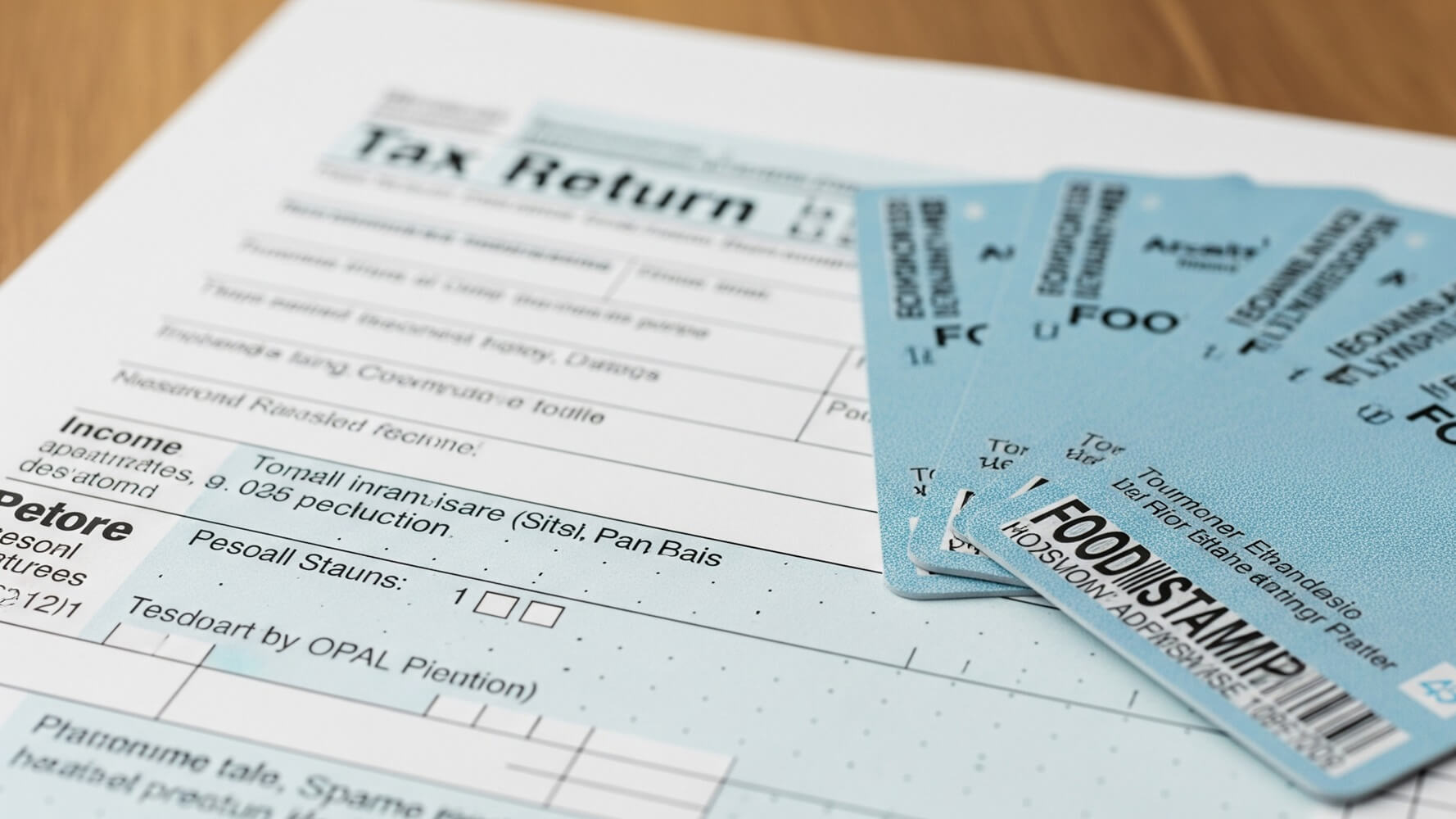
During the investigation, you may have to answer questions and provide documents. It’s super important to be honest during this process, because lying further could make things even worse. The investigators will look at things like your income, your family size, and any other information you provided on the application. They’ll compare this information to their records and see if there are any discrepancies.
Sometimes, if the lie was relatively small, the loss of benefits might be the only punishment. Other times, it could involve a lot more. It all depends on the situation.
Here are some things investigators might look for:
- Failing to report income changes.
- Providing false information about household members.
- Hiding assets, like money in a bank account.
Facing Civil Penalties and Repayment
Beyond just losing your benefits, you could also face civil penalties. Civil penalties are basically fines, or money you have to pay. The amount of the fine will depend on how serious the lie was, and how much the government lost because of it. These penalties are separate from the criminal charges, and can sometimes be avoided if the person cooperates with the investigation and admits their mistake.
Another common consequence is that you might have to pay back the food stamps you received illegally. This is called “repayment” or “restitution.” The government calculates how much food stamps you received based on the false information, and you’ll have to pay that amount back. This could involve a payment plan, which lets you pay the money back over time, or the government could garnish your wages to get the money back.
Repayment can be a significant financial burden, especially for someone who’s already struggling. This is another reason why honesty is always the best policy when applying for and using food stamps.
Here’s how repayment works:
- The government identifies how many extra benefits were issued.
- The person is notified of the amount owed.
- A payment plan is usually offered.
- If payments aren’t made, the government could take actions like wage garnishment.
Criminal Charges: More Than Just Fines
Lying to get food stamps can also lead to criminal charges. This means you could be arrested and have to go to court. The specific charges will depend on state and local laws, but they often involve things like welfare fraud or theft of government benefits. These are serious charges that could lead to jail time or a hefty fine.
The severity of the criminal charges usually depends on how much the person defrauded the program for. For example, a person who lied to get a few extra hundred dollars might face less severe charges than someone who got tens of thousands of dollars illegally. Other factors considered could be, if the person has previous violations, and how the person acted during the investigation.
If you’re facing criminal charges, it’s very important to have a lawyer. A lawyer can help you understand your rights and the charges against you, and also help you build your defense in court. If you can’t afford a lawyer, the court will appoint one for you.
Here is a table showing potential penalties for different amounts:
| Amount of Fraud | Potential Penalties |
|---|---|
| Small Amount | Fine, community service, or short jail time |
| Moderate Amount | Larger fine, longer jail time |
| Large Amount | Significant fines, lengthy jail time |
Disqualification From Receiving Benefits in the Future
Even after you’ve served your time or paid your fines, getting caught lying about food stamps could impact your ability to get benefits in the future. Depending on the situation, you could be disqualified from ever receiving food stamps again. This means you wouldn’t be able to get help with groceries, even if you were eligible for the program.
The length of the disqualification period will depend on the severity of the fraud. For example, if it was your first offense and the lie was relatively small, you might be disqualified for a year or two. If it was a repeat offense, or the lie was very serious, the disqualification could be for a much longer time or even permanent.
This is one of the most serious consequences, because it can make it very hard to provide for your family. It’s something to think about before you even consider lying about your income or family size.
Here are some of the factors that impact the length of disqualification:
- Severity of the fraud
- Number of prior offenses
- Cooperation with the investigation
- Any other applicable laws
The Importance of Honesty and Reporting Changes
It’s really important to be honest when applying for food stamps and while receiving them. If you have any questions or are not sure if you qualify for the program, it’s best to reach out to your local SNAP office for help and clarification. They can explain the rules and requirements clearly and honestly.
Another important thing to know is that you have to report any changes to your situation, such as a new job, an increase in your income, a change in your household size, or a change of address. This helps the government figure out if you’re still eligible for benefits and if the amount you receive is still the right amount.
If you’re honest from the start, and report any changes right away, you can avoid getting into serious trouble. Think of it like following the rules of a game – if you don’t follow the rules, you could get penalized.
Here’s a list of common changes that need to be reported:
- Changes in income (getting a new job, a raise, or overtime).
- Changes in household size (someone moving in or out).
- Changes in address
- Changes in resources (receiving a large sum of money).
Long-Term Consequences: Reputation and Opportunities
Getting caught lying for food stamps can have long-term consequences that go beyond just the immediate penalties. For example, it can damage your reputation. Word can get around that you’re not trustworthy, which can make it harder to find jobs, rent an apartment, or get credit.
It can also limit your opportunities in the future. If you have a criminal record, it can make it harder to get certain jobs. It can affect your chances of getting into school, and it can make it harder to find housing. It can change your ability to get loans, which can affect the type of house and car you could get.
These long-term consequences can have a huge impact on your life and your family’s life. It can make it very hard to get back on your feet and improve your situation.
Here are some ways that getting caught can impact your future:
- Difficulty finding a job.
- Difficulty getting housing.
- Difficulty getting loans.
- Damage to your reputation.
The best advice is to be truthful from the beginning, and to report any changes in your circumstances. This is not only the right thing to do, but it’s also the best way to avoid facing any of the long-term problems.
Conclusion
In short, lying to get food stamps can lead to a variety of serious consequences, from losing your benefits to facing criminal charges and a damaged reputation. While the SNAP program provides important support to families in need, it’s crucial to follow the rules and be honest about your situation. Avoiding fraud not only helps you stay out of trouble, but also ensures that the program can continue to help those who truly need it. Honesty is always the best policy, especially when it comes to important programs designed to help people.