When you apply for food stamps, also known as SNAP (Supplemental Nutrition Assistance Program), you’ll often see the status “pending.” It’s a pretty common term, and it simply means your application is being reviewed. The government needs to check all the information you provided to make sure you qualify for food assistance. This process can take some time, and understanding what “pending” truly implies is important for anyone navigating the food stamps application process. Let’s break down what this status signifies and what it means for you.
What Does “Pending” Actually Mean?
“Pending” means your application for food stamps has been received and is currently under review by the SNAP agency. This doesn’t mean you’ve been approved or denied, but that someone is looking over your paperwork to make a decision. They’re verifying the details you submitted to determine your eligibility. This includes checking things like your income, resources, and household size.
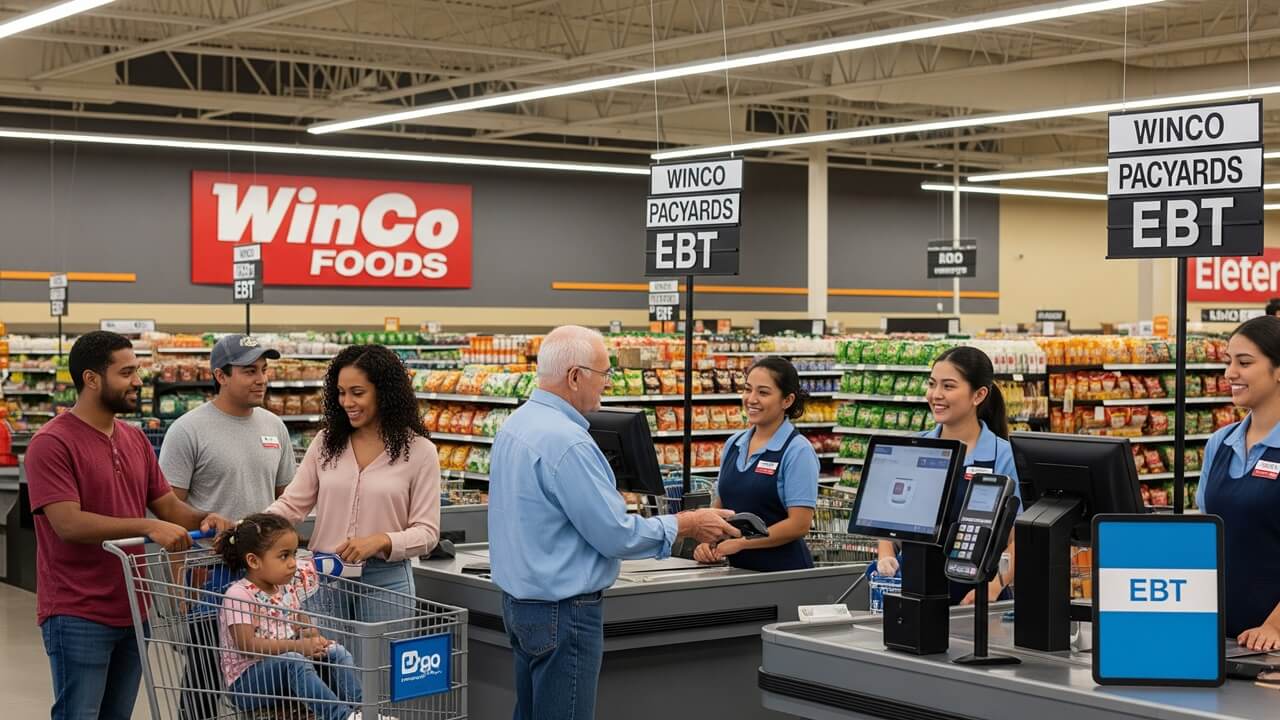
What Happens While My Application is Pending?
While your application is in pending status, several things can happen. The SNAP agency will start the verification process. They might contact you for additional information or to schedule an interview. They’ll also likely reach out to other sources to confirm the data you provided. This might include contacting your employer, bank, or previous landlords. The goal is to gather all the necessary information to make an informed decision.
During this time, you should be prepared to respond promptly to any requests from the SNAP office. This includes returning phone calls, submitting requested documents (like pay stubs or bank statements), and attending scheduled interviews. The quicker you respond and provide the required documentation, the faster your application can move through the process.
The length of time an application remains in pending status can vary depending on several factors, including the workload of the local SNAP office, the complexity of your case, and how quickly you respond to requests for information.
Be sure to keep copies of all the documents you submit, and keep track of any communications you have with the SNAP office. This documentation will be helpful if you need to follow up on your application or appeal a decision. The agency will need to determine your eligibility based on SNAP rules. The eligibility rules are as follows:
- Income limits.
- Resource limits.
- Household size.
- Work requirements (in some cases).
Why Does the Review Take Time?
The review process takes time because it involves several steps. The SNAP agency is dealing with many applications at once and needs to verify the information provided. This can take a lot of time. Think of it like waiting in line at the DMV. Everyone is trying to get their driver’s license at the same time. It takes a while, right? The same is true of the food stamp application process.
The agency needs to thoroughly check the information you provided. They do this to ensure accuracy and prevent fraud. This is a necessary measure to ensure that benefits are awarded fairly to those who qualify. They need to make sure that they have everything they need to make a decision. If they’re missing information or need clarification, it will take them more time to make a decision.
Additionally, different states and counties have different procedures and workloads. The number of applications they receive, the resources they have, and how efficient their processes are can all influence how long it takes to process your application.
Consider the following factors that influence processing times:
- The number of applications being processed.
- The complexity of the individual application.
- The speed at which the applicant responds to requests.
- The efficiency of the local SNAP office.
What Kind of Information is Verified?
The SNAP agency will verify various pieces of information to determine your eligibility. This can include your income from all sources, such as wages, salaries, self-employment earnings, and unemployment benefits. They will also verify your resources, like your bank accounts and any other assets that you own. They also look at your household size and who you’re living with.
They will examine documents such as pay stubs, tax returns, bank statements, and utility bills. This process helps to make sure that the information you provided on your application is accurate and up-to-date. They might also contact your employer or previous landlords to confirm information about your employment or housing situation. The purpose of the verification process is to make sure the program is fair and that benefits go to the people who need them the most.
Another part of the verification process includes the verification of your identity, which might involve a copy of your driver’s license or other forms of official identification. They must be able to confirm that the person applying is who they say they are. The specific documents required for verification can vary slightly from state to state, but the overall goal is to ensure that the information provided is accurate.
Here’s an example of what the SNAP agency might verify:
| Category | Examples |
|---|---|
| Income | Pay stubs, tax returns, unemployment benefits |
| Resources | Bank statements, savings accounts, stocks |
| Household | Birth certificates, leases, utility bills |
How Can I Speed Up the Process?
There are several things you can do to help speed up the food stamp application process. First, make sure you complete the application accurately and honestly. Provide all the required information and double-check everything before you submit it. Any mistakes or omissions will cause delays.
When applying, make sure to gather all necessary documents ahead of time. This will make it easier to submit the application and respond to requests for additional information. Being prepared can help you be more organized. Have the documents readily available so you can provide them quickly when asked. The types of documents required will be based on the needs of the application.
Responding quickly to the SNAP agency’s requests is also critical. Be prepared to return phone calls, respond to emails, and submit any documents or information they ask for. The quicker you respond, the faster they can move your application through the review process. They might want to conduct an interview, so be sure to follow through on that request as well.
Here are some tips for speedy processing:
- Complete the application accurately and honestly.
- Gather all required documents beforehand.
- Respond promptly to requests for information.
- Attend scheduled interviews.
What Should I Do While My Application is Pending?
While your application is pending, it’s essential to manage your finances and food resources carefully. Planning is key. If you’re struggling to afford food, explore other resources that might be available to you. This could include local food banks, community kitchens, or other charitable organizations that offer food assistance. You might also consider temporary assistance programs, such as short-term financial assistance from the government.
Keep track of your application status. Make sure to follow up with the SNAP office if you haven’t heard from them in a reasonable amount of time. You can usually check the status online or by contacting the local office. If you’re finding yourself in a tight spot, there may be other programs to help you until a decision is made.
Even though it’s a waiting game, you can still make sure you’re ready for a decision. If you get denied, you have options. If your application is denied, you will receive a written notice explaining the reason for the denial and your right to appeal. Read the notice carefully and understand the reasons for the decision. Then, if you disagree with the decision, you have the right to appeal it.
If you are struggling to afford food, consider these resources:
- Food banks.
- Soup kitchens.
- Emergency food assistance.
What Happens After the Decision?
Once the SNAP agency has reviewed your application and verified the information, they will make a decision. You will receive a written notice informing you of the decision. If you are approved, the notice will explain the amount of benefits you will receive, how often you will receive them, and how to use your EBT (Electronic Benefit Transfer) card. The letter will contain instructions to use your benefits.
If your application is denied, the notice will explain the reason for the denial and your right to appeal the decision. Understand that the decision can be based on many things, but the notice should give you specifics. The decision is final, unless you appeal. The notice should provide details on how to appeal. You can then gather any information needed to help you appeal the decision.
If you are approved, your benefits will be loaded onto an EBT card. You can use this card like a debit card to purchase eligible food items at authorized stores. You’ll also need to follow all the rules and regulations. There are rules for eligible items, and those rules have to be followed. SNAP benefits are there to help, so make the most of them!
Here are the possible outcomes:
- Approved (EBT card and benefits)
- Denied (with reason and appeal information)
Conclusion
In conclusion, “pending” status for food stamps means your application is under review, and the SNAP agency is working to verify your information. While waiting, it’s crucial to respond promptly to requests, prepare for possible financial constraints, and understand your rights. Whether you’re approved or denied, knowing what “pending” signifies and following the provided guidance will help you navigate the process effectively. The key is patience, and understanding the steps the agency is taking to make a fair decision about your application.