The Supplemental Nutrition Assistance Program, or SNAP, helps people with low incomes buy food. You might know it better as food stamps. It’s a really important program that helps families and individuals put meals on the table. But there are rules about how you can use SNAP benefits. One of the biggest questions is: Is selling food stamps illegal? This essay will explain why selling your SNAP benefits is a big no-no and what can happen if you break the rules.
The Straight Answer: Is Selling Food Stamps Illegal?
The short answer is yes. Selling food stamps, or SNAP benefits, is definitely illegal. It’s against federal law, and there are serious consequences for doing it. The purpose of SNAP is to help people buy food for themselves and their families, not to be used for cash or other purposes.
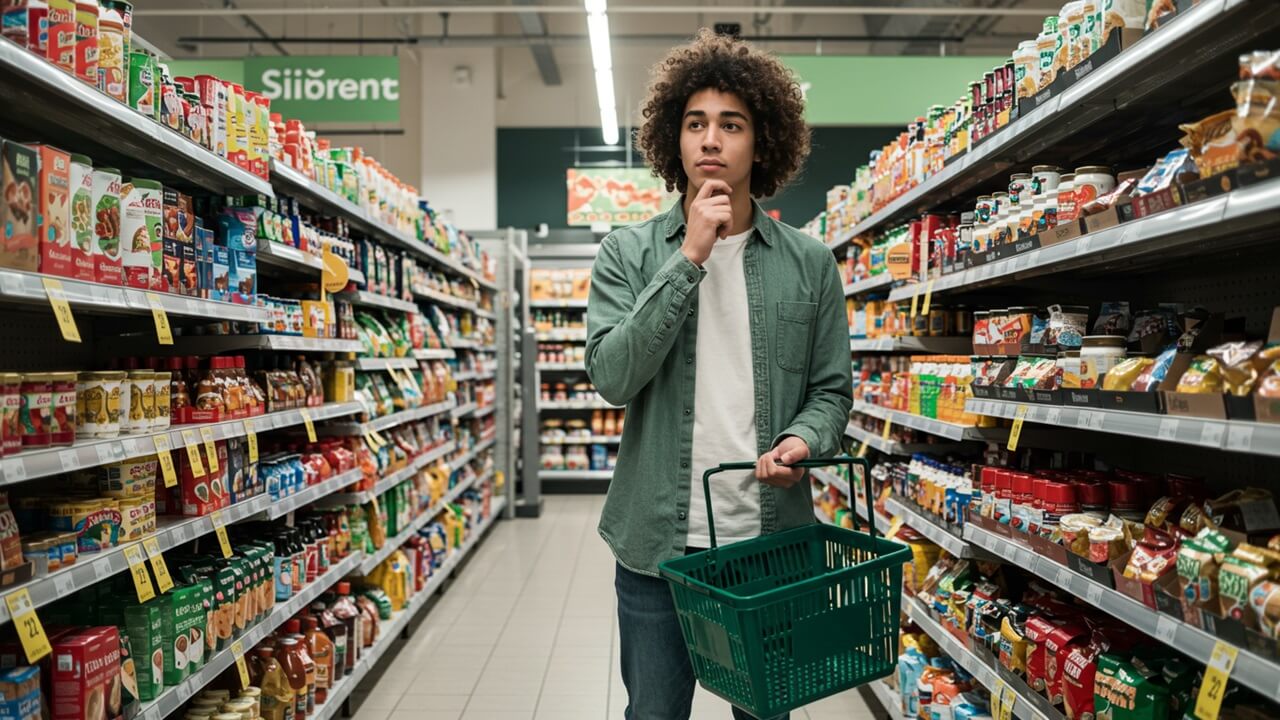
Understanding the Law
The law is pretty clear about SNAP. It’s designed to ensure that benefits are used only for the purchase of eligible food items. This means you can use them to buy things like fruits, vegetables, meat, dairy products, and bread. It doesn’t cover things like alcohol, tobacco, or pet food. The whole point is to give people access to healthy food.
The rules are enforced by the USDA, which oversees SNAP. They have investigators who look into cases where people are suspected of breaking the law. They work with local law enforcement to make sure everyone follows the rules. There are different types of violations with different penalties.
If someone breaks the rules, there can be serious legal and financial implications. They might face fines, be disqualified from receiving SNAP benefits for a period of time, or even face jail time. It’s really important to take these rules seriously.
Here are some common examples of SNAP fraud, beyond simply selling benefits:
- Using someone else’s SNAP benefits.
- Buying ineligible items with SNAP.
- Providing false information to get SNAP benefits.
- Claiming benefits when you don’t qualify.
Why Is Selling Food Stamps Illegal?
The reason the government made it illegal to sell food stamps goes back to how SNAP is supposed to work. The program is designed to help people eat, not to create a way to make money. If people could sell their benefits, it would defeat the whole purpose of helping families afford groceries.
It’s also about protecting taxpayer money. SNAP is funded by taxpayers, and the government wants to make sure that money is used wisely and goes where it’s intended. Selling benefits means the money isn’t being used for its intended purpose, and it’s a form of fraud that costs the government money.
Selling benefits can also create unfair situations. It puts people in a vulnerable position where they might be taken advantage of. The rules are designed to keep the program fair for everyone who needs it.
Here’s an example of how it’s not fair. Imagine two families, both eligible for the same amount of SNAP benefits. One family uses their benefits to buy food as intended. The other family sells their benefits for cash and uses the cash for other things. This creates a disparity in food security and resources, which the law is supposed to prevent.
Penalties for Selling Food Stamps
The penalties for selling food stamps depend on the severity of the offense. Small violations might result in warnings or a temporary suspension from the program. More serious violations, especially repeated offenses, can lead to much harsher punishments.
Here’s a basic look at potential penalties, but these can vary based on specific circumstances and the laws of your state:
- First Offense: Could involve a warning, a fine, and/or disqualification from SNAP for a year.
- Second Offense: Longer disqualification from SNAP, possibly up to 2 years, and a larger fine.
- Third Offense: Permanent disqualification from SNAP and potentially criminal charges, including jail time.
- Additional Penalties: The government may also seek to recover the value of the benefits that were illegally used.
The government takes these violations very seriously because they undermine the program and steal from other families who depend on it.
How the Government Catches People Selling Benefits
The government uses different methods to find people who are selling their SNAP benefits illegally. They work with law enforcement agencies to investigate reports of fraud. SNAP recipients are issued an Electronic Benefit Transfer (EBT) card to access their benefits.
The government often monitors EBT card transactions. They look for unusual spending patterns or activity, like multiple transactions at the same store on the same day, or spending at stores that aren’t authorized to accept SNAP benefits. If they suspect fraud, they can start an investigation.
Another way people get caught is through tips from the public. People who witness or know about fraud can report it to the authorities. They can also use undercover operations. In these situations, investigators might pose as buyers or sellers to catch people in the act.
Here is an example of monitoring activity:
| Activity | Consideration |
|---|---|
| Frequent large cash withdrawals from an EBT card | May indicate benefits being sold for cash. |
| Transactions at non-authorized retailers | Suggests potential misuse of benefits. |
What to Do If You Need Help with Food
If you need help buying food, SNAP is an amazing resource, but there are also other options available to you. If you’re struggling to afford food, there are resources available to help.
You can apply for SNAP benefits. The process involves filling out an application and providing information about your income and resources. You can usually apply online, in person at a local social services office, or by mail. They’ll check your eligibility and let you know whether you qualify.
There are food banks and food pantries in most communities. These organizations collect and distribute food to people in need. They can provide a variety of foods, including fresh produce, canned goods, and frozen meals. They’re usually free, and you don’t always need to meet any specific eligibility requirements to get help.
Here are some other resources to help you if you’re having trouble with food.
- Community Kitchens: Many communities offer free or low-cost meals at community kitchens.
- School Lunch Programs: If you have children, check if they qualify for free or reduced-price school lunches.
- Local Charities: Churches and charities can often provide food assistance.
Other Things to Know
It’s important to understand the rules and regulations associated with SNAP. You’re responsible for using your benefits correctly. Don’t share your EBT card or PIN with anyone else. Also, it’s crucial to report any changes in your circumstances, such as a change in income or address, to the SNAP office promptly.
Be careful about scams and fraudulent schemes. There are people who try to take advantage of SNAP recipients. If someone offers to buy your EBT card or benefits, it’s a scam and you should report it to the authorities.
If you’re unsure about something, it’s always best to ask for help. Contact your local SNAP office or a social worker if you have questions about your benefits or the rules.
You can also find information about the rules and regulations on the USDA website. Here’s a quick rundown of other things you should know:
- Only use your benefits to buy eligible food items.
- Don’t share your EBT card or PIN.
- Report changes in income or living situation.
- Report any suspected fraud.
Conclusion
So, to sum it all up, selling food stamps is against the law, and it’s not something to take lightly. The government has put these rules in place to make sure that everyone can access the food they need and that the money is used fairly. If you ever have questions about SNAP or need help affording food, there are resources available to help, and it’s always best to reach out to the authorities if you suspect fraud.