The Supplemental Nutrition Assistance Program (SNAP), often called food stamps, is a government program that helps people with low incomes buy food. It’s a pretty big deal, helping millions of Americans get the groceries they need. But like any program, there’s a lot of discussion around whether it’s truly helpful. Is Food Stamps Bad? It’s a complicated question, and this essay will look at both sides to help you understand the different viewpoints.
Does Food Stamps Discourage Work?
A common concern is whether food stamps make people less likely to work. The worry is that if people can get food assistance without working, they might choose not to get a job. This idea suggests that people are inherently lazy and would choose welfare over work if possible.
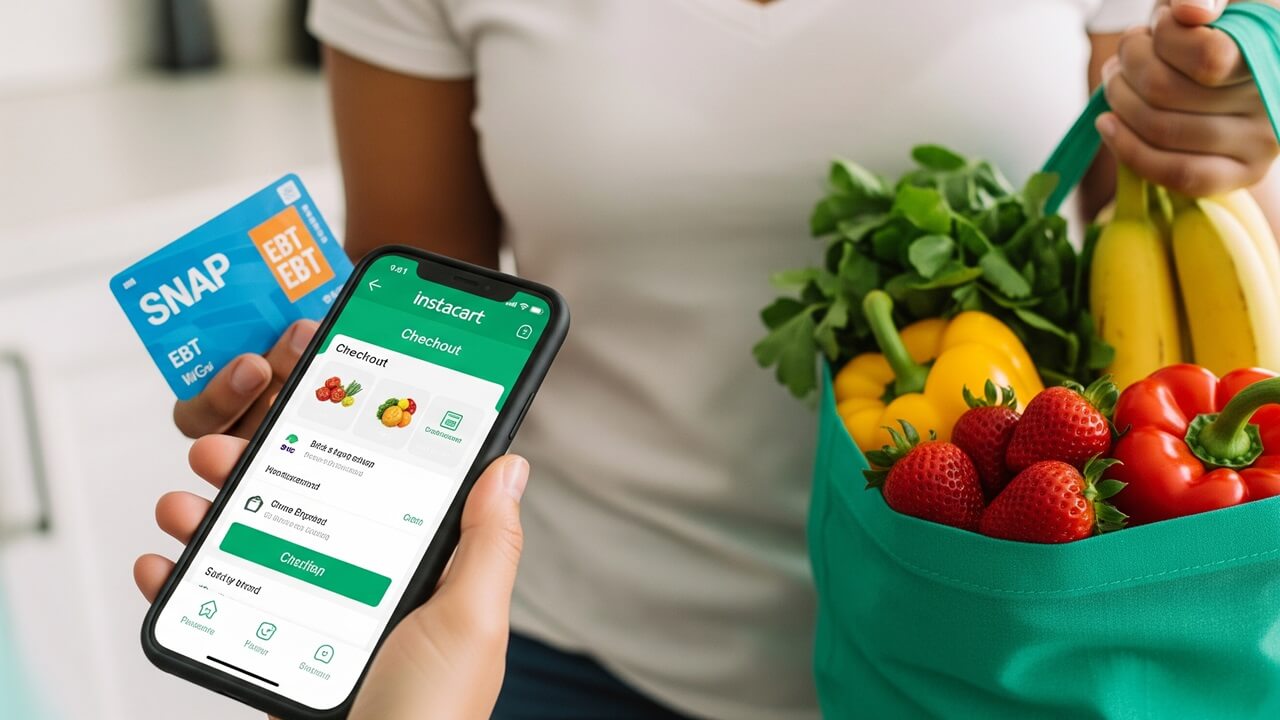
However, many studies show this isn’t always the case. A lot of people receiving food stamps are already working but don’t earn enough to cover their basic needs. Food stamps help them make ends meet. Others are facing challenges like childcare costs, disabilities, or lack of job opportunities, making it hard to find and keep a job.
Research suggests that the impact on work is pretty small, with some evidence even indicating that food stamps can sometimes improve work outcomes. For example, some people use the savings on food to pay for transportation or childcare so they can get to work. It’s also worth noting that SNAP has work requirements for some recipients, which can help motivate people to look for jobs.
So, is food stamps bad because it discourages work? Not really. The evidence suggests that it doesn’t have a major negative impact on people’s motivation to work, and it can sometimes even help people overcome obstacles that prevent them from working.
The Impact on Taxpayers
Another concern is the cost of food stamps and how it affects taxpayers. The government funds SNAP, which means tax dollars are used to pay for the program. Some people believe that the program is too expensive and that the money could be better spent elsewhere.
The cost of SNAP can vary depending on the economy and how many people need help. During economic downturns, more people may need food assistance, increasing the cost. The government tries to balance the need for assistance with the responsible use of taxpayer money.
Some argue that food stamps, despite their cost, help the economy. When people use food stamps to buy groceries, they’re supporting local businesses and creating jobs. It can also help families avoid more expensive health problems by ensuring they have enough to eat, which saves money in the long run. Here are some of the factors that impact how much SNAP costs:
- Number of recipients
- Economic conditions
- Benefit levels
Critics, however, might point out the opportunity cost. Money spent on SNAP could be used for other government programs like infrastructure, education, or defense. This is a complex debate with valid points on both sides.
Stigma and Social Perception
Using food stamps can sometimes come with a negative social stigma. People might feel ashamed or judged for needing help. This stigma can make it harder for people to apply for and use the benefits they’re entitled to.
This stigma can stem from misunderstandings about poverty and the reasons why people need help. Some people may wrongly assume that people on food stamps are lazy or irresponsible. However, circumstances like job loss, illness, or unexpected expenses can lead anyone to need assistance.
It’s important to remember that anyone can experience a financial hardship, and seeking help through SNAP is a sign of responsibility, not failure. Here are some ways to fight the stigma:
- Educate yourself and others about the program and its purpose.
- Share positive stories about people who have benefited from SNAP.
- Advocate for policies that support those in need.
Creating a more supportive and understanding society is key to eliminating the stigma associated with food stamps.
The Potential for Fraud and Abuse
A concern often raised is the potential for fraud and abuse within the food stamp program. This means some people might try to get benefits they’re not eligible for, or they might misuse their benefits.
Fraud can take different forms, such as providing false information on an application or using someone else’s benefits. Abuse can involve selling food stamps for cash or buying ineligible items. While these activities do happen, the extent of fraud is often overstated.
The government has several measures in place to prevent fraud and abuse, including eligibility checks, investigations, and penalties for those who break the rules. There are also systems to track the use of food stamps.
Here’s a simple table illustrating potential consequences:
| Activity | Potential Consequence |
|---|---|
| Providing false information | Benefit denial, fines, or jail time |
| Selling food stamps | Benefit suspension, fines, or jail time |
While efforts are in place to prevent fraud, some fraud will inevitably occur. Balancing these controls with the need to help those who truly need assistance is an ongoing challenge.
Nutritional Value and Food Choices
Some critics are concerned about the types of food people buy with food stamps. The program provides money for food, but it doesn’t dictate what people can purchase. This means people can buy anything that’s considered food, including unhealthy options.
This can lead to people buying a lot of processed foods, sugary drinks, and other items that aren’t very nutritious. Over time, this can contribute to health problems like obesity, diabetes, and heart disease. There is concern about the nutritional value of the foods purchased.
There are ongoing debates about how to address this issue. Some ideas include providing incentives for buying healthy foods, restricting the purchase of unhealthy items, or educating recipients about nutrition. However, these changes are controversial.
There are also people who argue that people should have the freedom to choose what they buy with their food stamps. They believe that the focus should be on providing enough food, not on controlling people’s eating habits. So, the debate continues on how to balance food choices and nutritional value.
Positive Impacts on Food Security
One of the most significant benefits of food stamps is their impact on food security. Food security means having reliable access to enough affordable and nutritious food. For many people, food stamps are the difference between having enough to eat and going hungry.
SNAP helps people meet their basic needs, and helps families to not worry about their next meal. It provides a safety net for those facing economic hardship, allowing them to feed themselves and their families.
Food stamps can also help reduce stress and improve overall well-being. When people don’t have to worry about where their next meal is coming from, they can focus on other important aspects of their lives, such as their health, their education, and finding jobs.
Here are some positive outcomes that can result from food stamps:
- Reduced hunger and malnutrition
- Improved health outcomes
- Enhanced ability to work and learn
For many, food stamps are a vital tool in the fight against poverty and hunger. It ensures that families can have access to necessary nutrition.
Conclusion
So, is Food Stamps Bad? It’s clear that the answer isn’t simple. Food stamps are a lifeline for many families, helping them afford food and avoid hunger. However, the program also faces challenges, including concerns about costs, potential for misuse, and the impact on work incentives. It’s a complex issue with valid points on both sides. Understanding the different perspectives and the program’s impact is the first step in forming your own informed opinion.