Navigating the world of government assistance programs can sometimes feel like trying to solve a giant puzzle! Two programs that often come up in discussions about helping people who need it are food stamps (also known as SNAP, the Supplemental Nutrition Assistance Program) and SSI (Supplemental Security Income). You might be wondering, do these programs bump into each other? Specifically, **does food stamps affect SSI?** Let’s break down how these programs work together and how they impact each other.
Does Food Stamps Reduce SSI Payments Directly?
Let’s get straight to a key question: **Do food stamps directly lower the amount of money someone receives from SSI?**
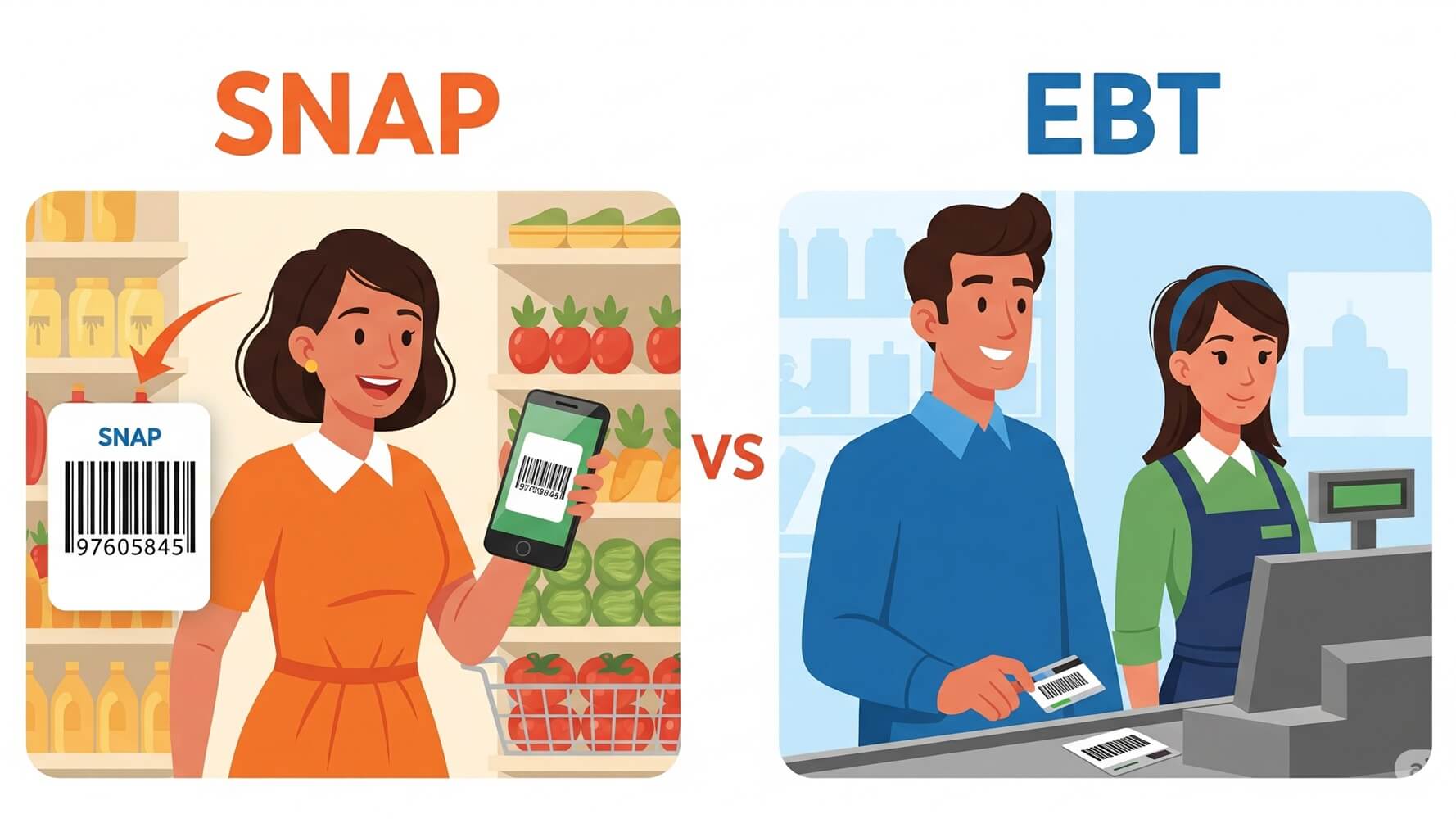
No, food stamps do not directly decrease the amount of money someone gets from SSI. SSI payments are based on your income and resources, and food stamps are considered a non-cash benefit. That means it’s like getting help with groceries, not like getting extra cash added to your bank account. The rules are pretty clear on this – food stamps don’t count as income when the Social Security Administration (SSA) figures out your SSI payments.
How SSI Determines Eligibility
To receive SSI, you need to meet certain requirements. First, you have to be a U.S. citizen or meet specific non-citizen requirements. Second, you generally need to have limited income and resources. Income is anything you earn, like wages, pensions, or even gifts. Resources are things like cash, bank accounts, and property. The SSA looks at both to see if you qualify for SSI.
Let’s imagine Sarah. She is applying for SSI. The SSA will review her financial situation. Here is a list of what the SSA will check:
- Her monthly income from any job she may have.
- Her savings account balance.
- Any investments she owns.
The amount of your SSI payments can change based on the income and resources you have, but it won’t change based on whether you get food stamps.
If Sarah is approved for SSI, the amount of money she gets will be based on her income and resources, *not* on whether she uses food stamps to buy groceries.
Income and SSI: What Counts?
While food stamps themselves don’t count as income for SSI purposes, other types of income definitely do. The SSA will look at all sorts of earnings when figuring out your SSI payment. It’s important to understand what kind of income the SSA counts so you can accurately report your financial situation.
Here is a table that breaks down some common examples:
| Type of Income | Counted by SSA? |
|---|---|
| Wages from a job | Yes |
| Unearned income like pensions or Social Security benefits | Yes |
| Food Stamps (SNAP benefits) | No |
| Gifts of cash | Yes (over a certain amount) |
Understanding what counts as income is key to getting the right amount of SSI and to reporting it correctly.
If you receive income, be sure to report it to the SSA.
Resources and SSI
Besides income, the SSA also looks at your resources when deciding if you qualify for SSI. Resources are things you own, like cash, bank accounts, stocks, bonds, and even some property. SSI has limits on how many resources you can have and still receive benefits.
Here are some examples of resources:
- Cash and money in a checking or savings account.
- Stocks, bonds, and mutual funds.
- Land or buildings (excluding your primary home).
- Vehicles (with some exceptions).
Food stamps, as we’ve discussed, don’t count as a resource. So, having food stamps won’t disqualify you from SSI based on resource limits.
Make sure you report your resources to the SSA so you can maintain your eligibility.
How Do Food Stamps Help SSI Recipients?
Food stamps can be a real lifesaver for people on SSI. Remember, SSI is designed to help people with limited income, and sometimes it’s not enough to cover all the bills, including food. Food stamps help fill the gap.
Here are some ways food stamps can help:
- Reduced grocery bills: Food stamps directly reduce the amount you spend on groceries each month.
- Budgeting: Since you’re getting help with food, you can better budget the cash you receive from SSI.
- Healthier eating: Food stamps can help you buy nutritious foods that you might not have been able to afford otherwise.
Getting food stamps can reduce the stress of trying to pay for food.
Having some extra cash from SSI and help with your food can ease a lot of financial strain.
Other Benefits and SSI
Many people who get SSI also get other benefits. It’s important to know how different kinds of assistance programs interact with SSI to plan accordingly.
There can be overlap with other programs:
- Medicaid: Often, SSI recipients are automatically eligible for Medicaid, which helps pay for healthcare.
- Housing assistance: Many people on SSI may also qualify for rental assistance programs, which can help with housing costs.
- LIHEAP: The Low Income Home Energy Assistance Program can help with utility bills.
- TANF: Temporary Assistance for Needy Families.
Understanding how these programs work can give you a clearer picture of all the help available to you.
Always report any new income or resources to the SSA.
The Big Picture
So, to wrap things up, we’ve learned that food stamps and SSI are two separate programs with different purposes. Food stamps help with groceries, and SSI provides cash assistance to those who need it.
It’s clear that food stamps do not directly affect your SSI payments. Having food stamps doesn’t mean your SSI will be reduced or affected in any way. They work together to provide support to people who need it.
Food stamps and SSI can work together to provide a safety net of help for people with limited income and resources.
Knowing how these programs interact can help you navigate the system and get the assistance you need.