Figuring out if you can get food stamps (also known as SNAP – Supplemental Nutrition Assistance Program) can be tricky, especially if you’re living with someone who already receives them. Many people wonder, “Can I Get Food Stamps If I Live With Someone Who Has Food Stamps?” The answer isn’t a simple yes or no; it depends on a few things. This essay will break down the rules, so you can understand how it all works.
Household Definition and SNAP Eligibility
The most important factor is how the government defines a “household.” For SNAP, a household is generally a group of people who live together and buy and prepare food together. This means if you share meals, you’re often considered part of the same household, even if you’re not related. Because of this, your food stamp eligibility is assessed based on your shared household income and resources, not just your individual situation.
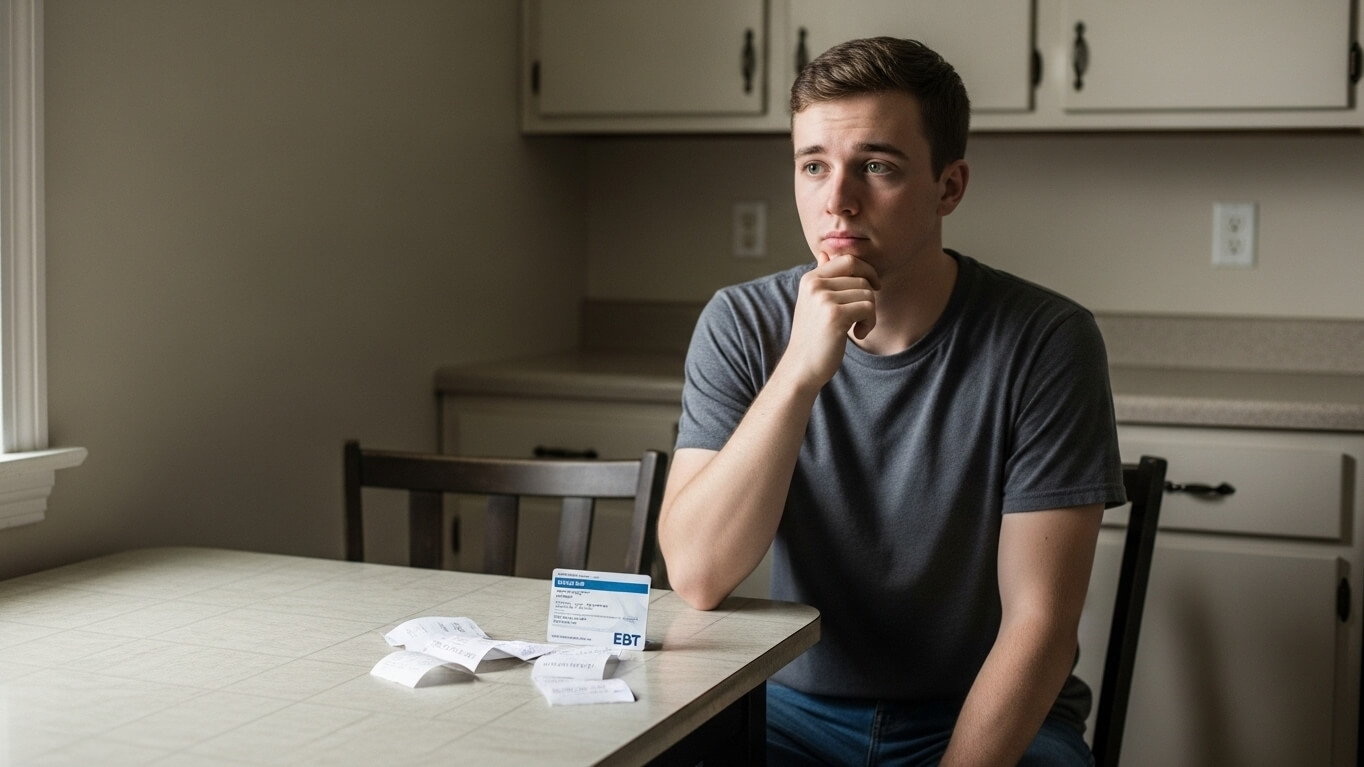
Let’s say you live with your best friend and you both buy groceries separately. You’re less likely to be considered the same household than if you all cook and eat meals together. The SNAP office looks at this to determine how to count resources for your food stamps eligibility.
When you apply for SNAP, the case worker will ask questions about how you get food, such as:
- Do you share the cost of food?
- Do you buy groceries together?
- Do you eat meals together regularly?
Your answers help them determine whether you are part of the same household or not, which affects if you can get food stamps.
Income and Resource Limits: The Big Picture
SNAP eligibility is heavily influenced by income and resources. This means how much money you and the other people in your household make, and what assets you own. These rules apply whether or not someone else in the household already receives SNAP benefits. Even if someone else in your home has food stamps, you still have to meet specific income and resource requirements to qualify.
If you’re considered part of the same household, your income will be combined to see if it’s under the limit. If you live with a high earner, it might affect your ability to get food stamps. It’s not just about whether the other person has food stamps; it’s about your household’s financial situation.
There are specific income limits, based on household size, set by the federal government, and adjusted each year. You can find this information on your state’s SNAP website. For example, if you are a household of two, you have an income limit, but if you have two dependents, that number changes. A simple list is often available at the state’s SNAP website:
- Check for your state’s website for SNAP information.
- Look for income eligibility charts.
- Be aware that these limits change.
These income limits help to determine if your household qualifies for SNAP benefits.
Sharing Expenses and Its Impact
As mentioned before, whether you share expenses matters a lot. If you’re living with someone who has food stamps, and you share the cost of food, rent, and utilities, you are more likely to be considered the same household. That means the income and resources of both of you will be considered when determining your eligibility for SNAP.
If you and the person with food stamps split everything down the middle and cook together, the SNAP office might consider you part of the same economic unit. But, if you’re not sharing financial responsibility, the SNAP office may see your situation differently. This might influence whether you qualify for food stamps and how much you get.
A key question is whether you make decisions about buying and preparing food jointly. Here’s a simplified breakdown of common scenarios:
- **Sharing all food costs:** You’re likely considered part of the same household.
- **Sharing some food costs:** The SNAP office will consider the specifics.
- **Buying and cooking food separately:** You might be considered a separate household.
Answering honestly about how you buy and prepare food will help the caseworker make a decision.
Age and Dependency Considerations
Age and dependency can play a role. For example, if you’re a minor living with your parents, and one of your parents already receives food stamps, you’re likely to be included in their SNAP case. The rules are often different for children, and they often will be part of the parent’s household.
Adults who are dependent on someone else for support are often included in the same household. If you are financially dependent on the person with food stamps, you will most likely be considered part of their household, affecting your eligibility. This means, if your are an adult, and have no other source of income, you will be part of the same household.
Here’s a simplified view of age and dependency considerations:
| Scenario | Likely Household Status |
|---|---|
| Minor child living with parents | Part of parent’s household |
| Adult dependent on someone | Part of the same household |
| Adult who is financially independent | Could be separate |
Understanding these factors is essential for understanding SNAP eligibility.
Applying for SNAP and Disclosing Information
When you apply for SNAP, you’ll have to answer questions about everyone in your household. It is super important that you tell the truth. You will need to provide income and other relevant information about all household members, even if someone already gets food stamps. The SNAP office needs all the information to make an informed decision.
You must include the information, even if it seems like the person is already receiving food stamps. You can’t leave out any of the info. If you don’t, it can cause problems with your application. Be ready to provide things like proof of income (pay stubs), and your address, and details about your living situation.
Here are some quick tips for the application process:
- Be honest about all household members.
- Provide accurate income information.
- Be prepared to answer questions about shared expenses.
- Follow the instructions for submitting documents.
Providing accurate and complete information helps the SNAP office make a decision.
Special Circumstances and Exceptions
There are some special circumstances and exceptions to the usual rules. For example, if you are living with a roommate who receives food stamps, but you are not related and do not share expenses, you might be treated as separate households. Also, there might be special considerations for domestic violence survivors, disabled individuals, and the elderly.
If there are special situations, you should share those with the caseworker. For example, if you pay rent, and the person with food stamps lives in the same place, your income is considered. But, if you are not related, and only rent from someone else, you may not have to include their income in the application.
Here is a list of situations that might lead to exceptions:
- Domestic violence situations.
- Specific medical needs.
- Certain disabilities.
- Some educational programs.
It’s essential to provide the caseworker with all of the information about your situation to see what you might qualify for.
Conclusion
So, Can I Get Food Stamps If I Live With Someone Who Has Food Stamps? The answer is, it depends. It’s not an automatic no. The SNAP office considers your household, income, resources, and shared expenses. You must provide accurate information and be honest on the application. The best thing to do is apply and let the SNAP office make the decision based on your unique situation.