Many grandparents find themselves in the role of caregiver for their grandchildren, sometimes due to difficult circumstances. One of the biggest worries is making sure those kids have enough to eat. The Supplemental Nutrition Assistance Program (SNAP), often called food stamps, can provide much-needed help. So, the question on many grandparents’ minds is, “Can I get food stamps for my grandchildren?” This essay will break down the rules and what you need to know to find out if you qualify.
Eligibility Requirements: The Basics
The first thing to understand is that SNAP benefits are designed to help people who are struggling financially buy food. This means there are specific requirements you and your grandchildren will need to meet. These requirements change a bit from state to state, but some core rules generally apply everywhere. It’s important to check the specific requirements for your state. You can usually find this information on your state’s government website or by contacting your local Department of Social Services.
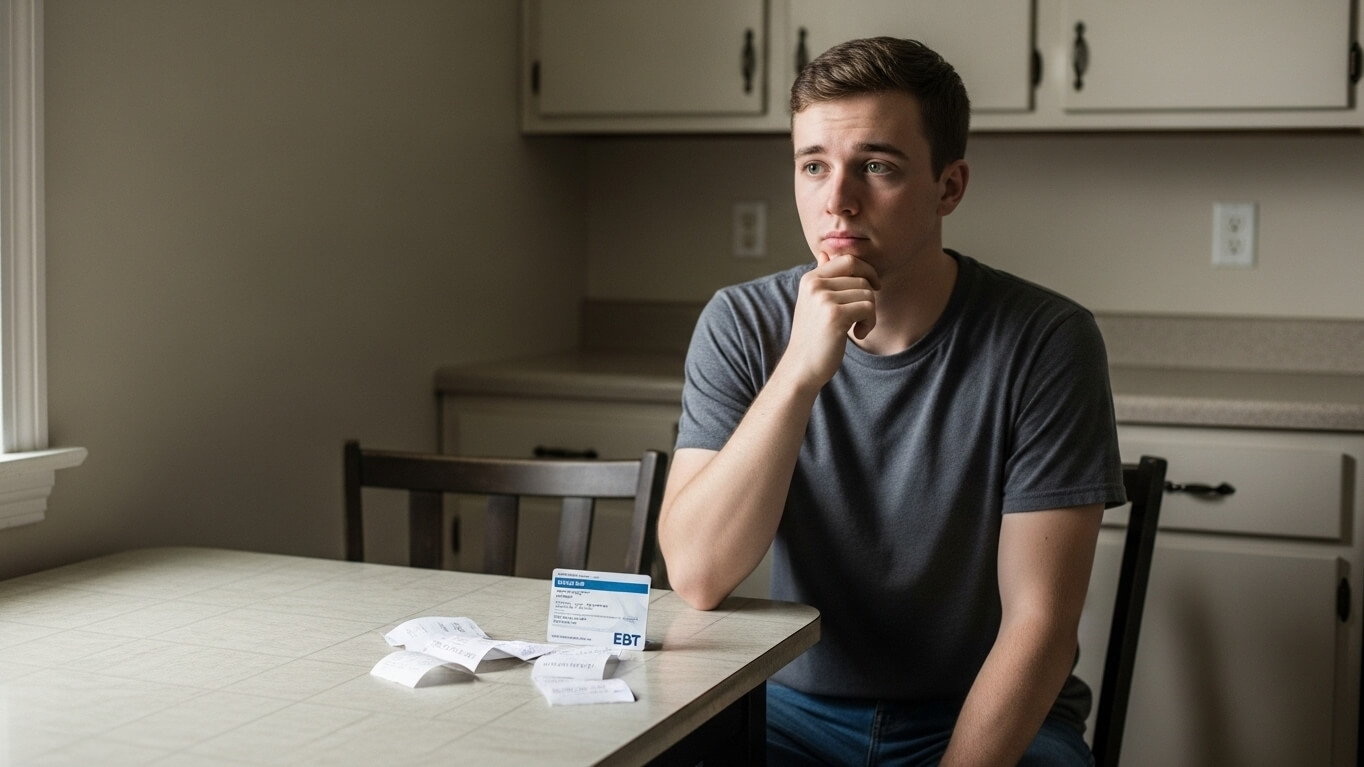
One of the main things SNAP looks at is your household. A household is defined as the people who live together and buy and prepare food together. This is a critical piece of the puzzle when determining if you can get benefits for your grandchildren. Do they live with you full-time? Are you responsible for their daily care and well-being? These are key questions.
Another big factor is your income. SNAP has income limits that vary depending on the size of your household. If your income is too high, you might not qualify, or you may only qualify for a small amount of benefits. They will look at your wages, any other income you receive (like Social Security or pensions), and resources like bank accounts. The amount of SNAP benefits your grandchildren could receive also depends on how many children are in your care.
Also, keep in mind that most states will require the child to be under 18 years old or meet certain requirements if they are older. For example, they might need to be in school. Check with your local office for the specific criteria for your state.
Being the Legal Guardian vs. Informal Caregiver
Legal Guardianship
If you are the legal guardian of your grandchildren, the process of getting SNAP benefits for them is often simpler. Being the legal guardian means a court has given you the legal responsibility for their care. This could include their living arrangements, their medical needs, and their financial well-being. When you have legal guardianship, the grandchildren are considered part of your household for SNAP purposes. This is important because it means their needs are considered when determining your benefits.
The fact that you are their legal guardian gives you a strong case for receiving SNAP benefits on their behalf. You’ll likely need to provide documentation of your guardianship, such as the court order, when you apply for SNAP. Having the proper legal paperwork usually smooths the application process and makes it more likely your application will be approved. The state and federal guidelines provide extra help to these families.
This arrangement also grants you the authority to make decisions on their behalf, including enrolling them in school, consenting to medical treatment, and managing their financial affairs (if any). The legal guardianship status establishes your role as a responsible caregiver, which is very important for getting government assistance.
To obtain legal guardianship, you will need to go through the court system. The requirements will vary by state, but you will typically need to file a petition with the court and present evidence demonstrating that you are the best person to care for the children. You might be asked to complete a background check or take a class. After this, the court makes the final decision to grant legal guardianship.
Informal Caregiver
If you are caring for your grandchildren but do not have legal guardianship, the situation gets a bit more complex. You may still be able to get SNAP benefits, but it can depend on several factors. The rules will vary from state to state, so it’s really important to find out what is in place for your state. In this scenario, there might be several hoops to jump through before you receive assistance. It’s important to understand your rights.
In many cases, if you are providing for the children, you will need to show that you are the primary caregiver and that you are responsible for their care and financial support. You might need to provide documentation to prove this, such as:
- School records indicating the children’s address.
- Medical records showing you as the contact person.
- Affidavits or statements from other people who can confirm your role as caregiver.
- Proof of residency.
It can also depend on the child’s parents. If the parents are still living with the child and providing support, the state is more likely to consider the child to be part of their household, even if you are taking care of them. If the parents are unable to provide for the children or are not living with them, you are much more likely to qualify for SNAP. The absence of the child’s parents can make a big difference in your eligibility.
Additionally, states often have rules about how much financial support you are already providing for the grandchildren. If you can show you’re providing them with their food, clothing, and shelter, you’re in a better position to get benefits. Being able to demonstrate that you are providing a majority of their support is critical, and the exact definition of support will vary by state.
How to Apply for SNAP
Application Process
The application process for SNAP is generally similar across the country, though specific procedures may vary slightly from state to state. To begin, you will need to contact your local Department of Social Services or a similar agency. You can usually find their contact information online by searching for “SNAP” or “food stamps” along with your state and county. This is usually the easiest place to start to determine your qualifications.
The application itself can usually be completed online, in person, or by mail. You will need to provide information about yourself, your grandchildren, and your household, including your income, expenses, and resources. You will also need to provide verification documents to support the information you provide. Here are a few common documents that are used during this process:
- Proof of Identity: A driver’s license, passport, or other form of government-issued identification.
- Proof of Income: Pay stubs, Social Security statements, or other documents showing all sources of income.
- Proof of Residency: A lease agreement, utility bill, or other document that shows where you live.
- Verification of Guardianship: Court documents that prove you have legal custody.
- School Records: School records to prove your grandchildren are living with you.
Once you have completed the application and submitted all the required documents, the agency will review your case. They may contact you to ask for more information or schedule an interview. If your application is approved, you will receive a notice informing you of your eligibility and the amount of benefits you will receive. If your application is denied, you will receive a notice explaining why and how you can appeal the decision.
What to Expect
The SNAP application process can sometimes take a little while. Once you have submitted your application, the agency will take time to review your information, verify your eligibility, and determine the amount of benefits you will receive. The amount of time it takes to process your application will vary depending on the state and the workload of the agency, but it usually takes at least 30 days. Some states have timelines to help the application process.
After your application is approved, you will receive an Electronic Benefit Transfer (EBT) card. This card works like a debit card and can be used to purchase eligible food items at authorized retailers, such as grocery stores and farmers’ markets. You will receive benefits on this card each month, and it will be automatically reloaded. You must keep your EBT card safe and secure, and you should report any loss or theft to the agency immediately. There are rules and regulations you must follow to make sure you are using the card properly.
During the application process, be prepared to answer questions about your income, your grandchildren’s living situation, and your relationship with them. You will likely need to provide documentation to support your claims. Be honest and thorough in your application, and be prepared to cooperate with the agency to make sure you get a quick and easy application process.
SNAP is reviewed periodically, and you might be asked to renew your eligibility periodically. You must keep the agency informed of any changes in your circumstances, such as changes in your income or household size. Failing to report changes could affect your eligibility and could result in penalties.
Specific Challenges and Considerations
Navigating Complex Situations
Sometimes, the situation is not straightforward. Maybe the parents are temporarily unable to care for their children but still have some involvement in their lives. Or perhaps the grandparents are providing care but the children are also receiving support from other sources. These situations often make it more difficult to get food stamps.
When you face unique circumstances, it’s vital to be prepared to provide detailed information. The SNAP agency will need to assess the situation carefully to determine eligibility. You might need to:
- Document the extent of your financial support.
- Explain the circumstances of the parents’ absence.
- Show how the children are relying on you for care.
Additionally, consider the importance of maintaining clear and consistent communication with the SNAP agency. Make sure you notify them about any changes in your situation. This helps to ensure that your benefits are accurate and continue without interruption. They can provide information and guidance as you navigate through any challenges.
If you are not comfortable dealing with the situation on your own, don’t be afraid to seek outside help. Social workers, legal aid organizations, and other community resources can offer invaluable guidance and support. A local social worker will have insight on the specifics of your state and will be able to help you.
Working with the System
Dealing with government programs like SNAP can sometimes feel overwhelming. Agencies have to follow rules and procedures, and that can mean a lot of paperwork and waiting. It’s important to be patient and persistent and understand the requirements. Don’t be discouraged if you don’t get approved right away. Many people need to apply again to work through the process. It’s important to continue to try and find the assistance you need.
Make sure that all your information is correct. Errors can lead to delays or even denials. If you are unsure about a question on the application, don’t guess; ask for clarification from the agency. If you’re having trouble, be patient and be persistent and consider getting help from someone who has done this before.
Keep records of everything. Save copies of all your applications, supporting documents, and any correspondence with the agency. This documentation can be invaluable if you need to appeal a decision or address any issues. The information can also help if things need to be changed in the future.
Don’t hesitate to ask for help. Many communities have resources available to assist people with the SNAP application process. Social workers, legal aid organizations, and other community groups can offer support and guidance. By reaching out to available resources, you can better understand your rights and increase your chances of a successful application.
Resources and Support
Finding Help in Your Community
You don’t have to navigate this process alone. Numerous organizations and programs are designed to help families and individuals access SNAP benefits. Your local Department of Social Services is the best place to start. They can give you application forms, answer your questions, and offer guidance through the entire process.
There are also many non-profit organizations that can assist. These organizations offer a range of services, including:
- Application assistance: Helping you fill out forms and gather documents.
- Legal aid: Offering advice about guardianship and your rights.
- Food banks: Providing immediate assistance with food needs while you apply.
Here are a few places to seek help:
| Resource | Description |
|---|---|
| Local Food Banks | Offer immediate food assistance. |
| Legal Aid Organizations | Provide legal advice and assistance. |
| Community Centers | May offer assistance with applications and referrals. |
Remember to research the resources available in your area. You can usually find this information online or by contacting your local library or community center. They can direct you to the best sources of support and guide you through the process.
Conclusion
So, can you get food stamps for your grandchildren? The answer depends on your specific situation, especially if you meet the qualifications. It’s vital to research the specific rules in your state, understand the requirements, and gather the necessary documentation. If you are the legal guardian of your grandchildren, the process is often more straightforward. If you are an informal caregiver, it’s important to provide documentation. Don’t be afraid to reach out to your local Department of Social Services and other organizations for help with the application process. By understanding the rules and seeking help, you can significantly increase your chances of getting food stamps and ensuring your grandchildren have enough to eat.