The question of whether a person with a felony conviction can receive food stamps is a pretty common one. Food stamps, officially known as the Supplemental Nutrition Assistance Program (SNAP), are meant to help people with low incomes afford groceries. It makes sense to wonder if someone who’s been in trouble with the law can still get this important help. Let’s break down the rules and understand how this works.
Eligibility Basics: Does a Felony Automatically Disqualify Someone?
No, a felony conviction itself does not automatically prevent a person from getting SNAP benefits. The rules surrounding SNAP eligibility are complex, and they usually consider a variety of factors, not just whether someone has a criminal record.
Understanding the Impact of Incarceration
One important thing to know is that people who are currently incarcerated (in jail or prison) are not eligible for SNAP. This is true regardless of the nature of their crime. This is because the government is already providing for their basic needs while they are locked up. The situation gets more complicated when someone is released.
When someone is released from prison or jail, they are generally eligible to apply for SNAP, as long as they meet all other eligibility requirements. However, there might be some specific circumstances, such as parole or probation conditions, that could affect their eligibility. It’s important for individuals to understand the specifics of their situation and how it relates to the terms of their release.
- Being released into a halfway house or another supervised living situation can sometimes affect SNAP eligibility.
- The location of the halfway house can also matter.
- It’s always best to check with your local SNAP office or a social worker.
In some rare cases, some drug-related convictions can affect a person’s SNAP eligibility. Let’s explore this in more detail.
Drug-Related Felony Convictions and SNAP
Some states have rules that can affect SNAP eligibility for people with drug-related felony convictions. These rules vary from state to state, but they often involve some form of a lifetime ban or restrictions. However, federal law has been changed over the years to ease these restrictions.
Federal law has allowed states to modify or completely eliminate these drug felony bans. Many states have chosen to remove the lifetime ban, making it easier for people with drug-related convictions to get SNAP benefits. These changes recognize that people who have struggled with drug addiction should still have access to basic needs like food, especially as they try to rebuild their lives.
- Some states have completely eliminated the ban.
- Others have modified the ban, for example, by allowing eligibility after a certain period.
- Some states require participation in a drug treatment program.
- It’s really important to know your state’s specific rules.
If someone has a drug conviction, they should check the SNAP rules for their specific state to understand how it will affect their eligibility.
Meeting the Income Requirements
Even if a person doesn’t have any convictions that specifically bar them, they still must meet the general income requirements for SNAP. This is usually the most important factor in getting approved for benefits.
SNAP benefits are for people with low incomes and limited resources. The income limits are set by the federal government, but they can vary slightly depending on the size of your household and where you live. The SNAP rules consider both earned income (from a job) and unearned income (like unemployment benefits or Social Security). SNAP rules change from year to year, so it’s always a good idea to check the most current limits.
| Household Size | Maximum Gross Monthly Income (Approximate) |
|---|---|
| 1 person | $1,400 |
| 2 people | $1,900 |
| 3 people | $2,400 |
| 4 people | $2,900 |
Remember that this is a simplified example. The exact numbers can vary, and there are also asset limits (like the value of savings and property) that SNAP considers.
Cooperating with Probation and Parole
Being on probation or parole can sometimes affect SNAP eligibility, even if the person has already been released from prison. The conditions of probation or parole could require someone to meet certain requirements, such as attending meetings, staying employed, or avoiding certain people or places.
If the person is meeting all the requirements of their probation or parole, then they should generally be eligible for SNAP. The rules get more complicated if a person violates probation or parole, as this could affect their eligibility for SNAP. This is because of potential changes in their living situation or income.
- Following the rules is important.
- Changes in your situation (income, address, etc.) should be reported to SNAP.
- If you’re unsure, seek advice from a parole officer or social worker.
- Contacting the SNAP office is always a good idea.
It is important to be honest and cooperative with both the probation officer and the SNAP office to avoid any issues.
The Application Process and Required Documentation
To apply for SNAP, a person needs to go through a specific application process. This process generally involves filling out an application form, providing proof of income, and providing other relevant documentation. The application process is the same for everyone, regardless of their criminal history.
The exact documents needed might vary by state, but here are some things that are often requested:
- Proof of identity (like a driver’s license).
- Proof of residency (like a utility bill).
- Proof of income (pay stubs, unemployment letters).
- Information about your assets (bank accounts).
- Social Security numbers for all household members.
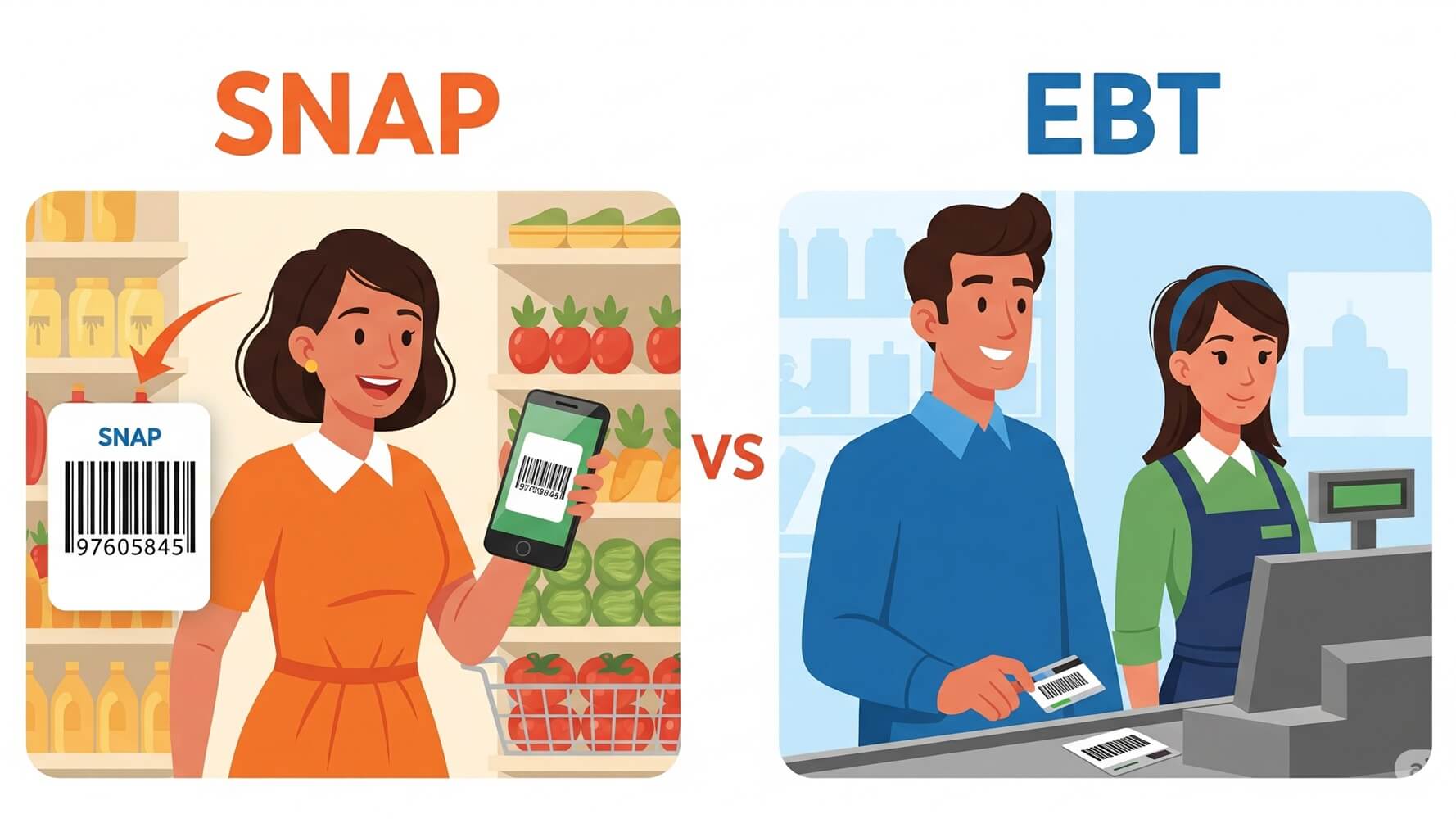
The SNAP office will review the application and the documents. They may also conduct an interview to verify information. If the person is approved, they will receive a SNAP card (EBT card), which is used to purchase food at approved stores.
Finding Help and Resources
If a person is unsure about their SNAP eligibility, there are resources to help. It’s always a good idea to start by contacting the local SNAP office. They can answer specific questions and guide people through the application process.
Many community organizations and non-profits offer assistance with SNAP applications and benefits. These organizations can help people understand the eligibility requirements, complete the application, and gather the necessary documentation. They also know about local resources that can help with other issues, such as job training, housing, and healthcare.
- Contact the local SNAP office.
- Reach out to community organizations.
- Ask a social worker for advice.
- Search online for SNAP resources.
The resources available can help people navigate the SNAP system and get the food assistance they need.
Conclusion
In conclusion, whether a felon can get food stamps is not a simple yes or no answer. A felony conviction itself doesn’t automatically disqualify someone. However, incarceration, drug-related convictions in some states, income limits, and compliance with parole or probation all play a role. It’s crucial for individuals to understand the specific rules in their state and to utilize the available resources to ensure they can access this important support if they are eligible. By knowing the rules and seeking help when needed, people with a criminal record can increase their chances of getting SNAP benefits and getting back on their feet.